AI Helps Prevent Medical Errors in Real-World Clinics
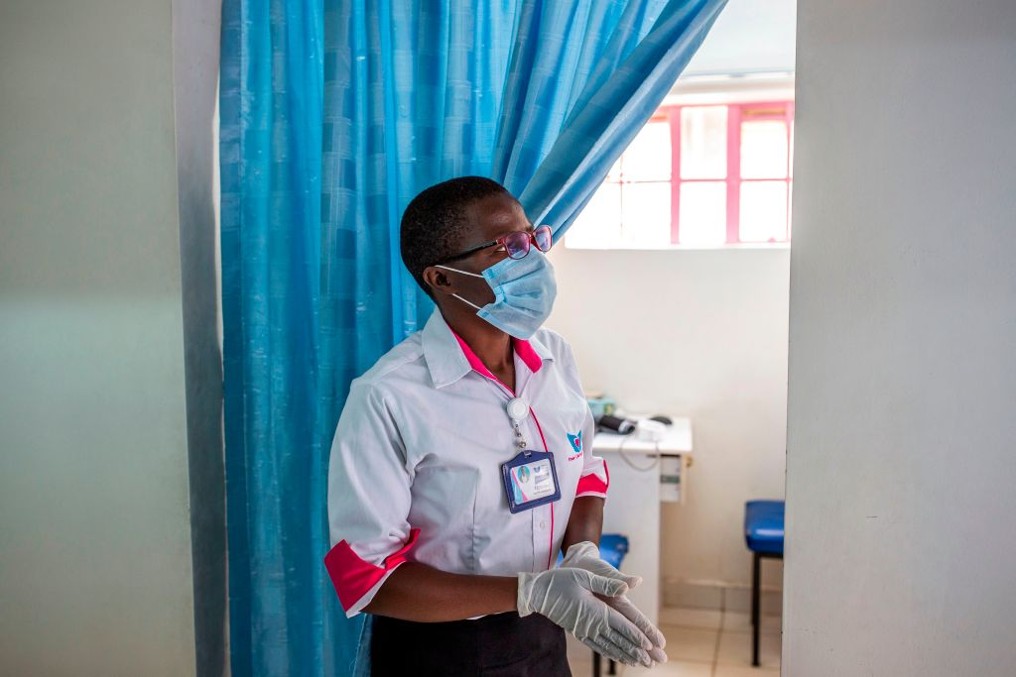
There has been a lot of talk about the
potential for AI in health, but most of the studies so far have been stand-ins
for the actual practice of medicine: simulated scenarios that predict what the
impact of AI could be in medical settings.
But
in one of the first real-world tests of an AI tool, working side-by-side with
clinicians in
Kenya, researchers showed that AI can reduce medical errors by as much as 16%.
In
a study available on OpenAI.com that
is being submitted to a scientific journal, researchers at OpenAI and Penda
Health, a network of primary care clinics operating in Nairobi, found that an
AI tool can provide a powerful assist to busy clinicians who can’t be expected
to know everything about every medical condition. Penda Health employs
clinicians who are trained for four years in basic health care: the equivalent
of physician assistants in the U.S. The health group, which operates 16 primary
care clinics in Nairobi Kenya, has its own guidelines for helping clinicians
navigate symptoms, diagnoses, and treatments, and also relies on national guidelines as well.
But the span of knowledge required is challenging for any practitioner.
READ MORE